
The typical warehouse packing station presents a familiar scene: a worker wielding a plastic tape gun, applying strip after strip to secure a box, trimming uneven ends, and occasionally wrestling with a roll that has lost its tension. This process has been accepted as normal for so long that few question whether there is a better way. There is. A paper tape machine replaces that makeshift approach with a system designed for precision, strength, and sustainability. Instead of relying on adhesives that weaken over time, this equipment activates the natural bonding properties of kraft paper, creating seals that are permanent from the moment they are applied. It is an upgrade that affects everything from material costs to package integrity.
The Hidden Inefficiencies of Manual Tape Application
Most packing operations measure their output in boxes sealed per hour, but the quality of those seals is rarely tracked. That oversight leads to costly consequences. Packages that break open in transit require reprocessing, replacement goods, and customer service interventions. Even when the tape holds, the visual appearance of multiple overlapping strips suggests a lack of attention to detail. A paper tape machine addresses these issues at the source. It dispenses a single, exact-length strip of gummed paper tape that bonds so thoroughly to corrugated surfaces that the tape and the box become effectively inseparable. This eliminates the need for redundant strips, reduces material waste, and produces a clean, professional finish on every package.
How the Equipment Actually Works
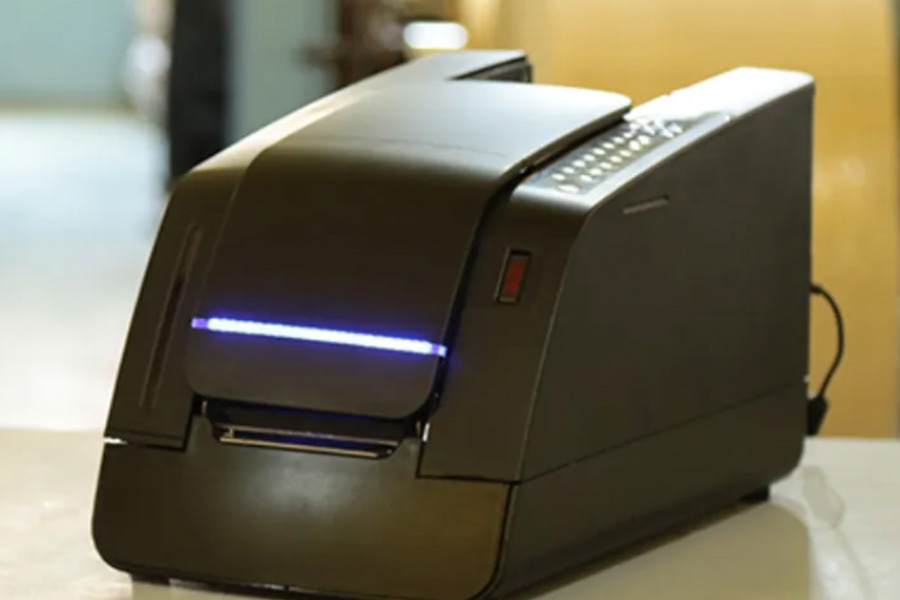
The operation of a paper tape machine is more sophisticated than its simple appearance suggests. The machine takes a roll of kraft paper tape coated with a starch-based adhesive that remains dry until activated. When the operator initiates a dispense, the tape passes through a water bath, where a precisely controlled amount of moisture is applied. The water activates the adhesive, making it tacky and aggressive. The machine then cuts the tape to a preprogrammed length, typically ranging from 15 to 210 centimeters, and presents it for immediate application. The critical element is the heating system. Cold water fails to fully activate the adhesive, leading to weak seals. Quality machines include heated reservoirs that maintain optimal water temperature, ensuring consistent activation even in cold warehouses.
Where a Paper Tape Machine Delivers the Greatest Value
The benefits of a paper tape machine are most evident in operations that demand both speed and reliability. High-volume e-commerce fulfillment centers, where thousands of packages exit daily, see immediate gains in packing throughput and a corresponding reduction in damaged returns. Industrial manufacturers shipping heavy parts or machinery rely on the superior shear strength of water-activated tape, which resists the forces that cause plastic tape to fail. The electronics industry, with its stringent cleanliness requirements, values tape that contains no plasticizers or volatile chemicals that could outgas onto sensitive components. Cold chain operators, dealing with condensation and temperature shifts, need a seal that remains intact as humidity fluctuates—water-activated tape excels in these conditions.
Making the Right Choice in Equipment
Selecting a paper tape machine requires matching the equipment to the operation’s scale and workflow. For businesses processing a moderate volume of packages, a manual dispenser offers a low-cost entry point with immediate improvements over tape guns. These units are portable, require no installation, and provide precise length control. As volume increases, an electric model with programmable length settings becomes more appropriate, allowing the operator to select from stored lengths for different carton sizes with the push of a button. The most demanding environments, such as large fulfillment centers, benefit from sensor-activated machines that detect the presence of a carton and dispense tape automatically, allowing the packer to maintain a continuous workflow. These advanced units can dispense at speeds exceeding 60 meters per minute.
YJNPACK’s Role in Advancing Tape Application Technology
Behind the best paper tape machine designs is a manufacturer with deep experience in packaging equipment. YJNPACK (Xiamen LinkAir Technology Co., Ltd.) has focused on this sector since 2005, building an operation that integrates R&D, production, sales, and after-sales support under one roof. Their 8,000-square-meter facility employs over 100 skilled technicians, producing 1,500 machines each month. This scale enables them to offer OEM customization, from branding to functional modifications, helping distributors differentiate their offerings. Their machines carry CE and FSC certifications, confirming adherence to international standards for safety and environmental responsibility. For clients, the company provides comprehensive support, including training and remote technical assistance, ensuring that equipment performs optimally over its service life.
Conclusion
The transition from manual tape guns to a paper tape machine represents a meaningful improvement in packaging operations. It eliminates the guesswork and waste inherent in manual application, delivers stronger and more reliable seals, and contributes to sustainability goals through the use of fully recyclable materials. As regulatory pressure on single-use plastics increases and consumer expectations for responsible packaging rise, the business case for making the switch grows stronger. With proven equipment available from established manufacturers, the opportunity to upgrade is accessible. The question is no longer whether a paper tape machine can improve an operation, but how quickly it can be implemented to begin delivering those benefits.